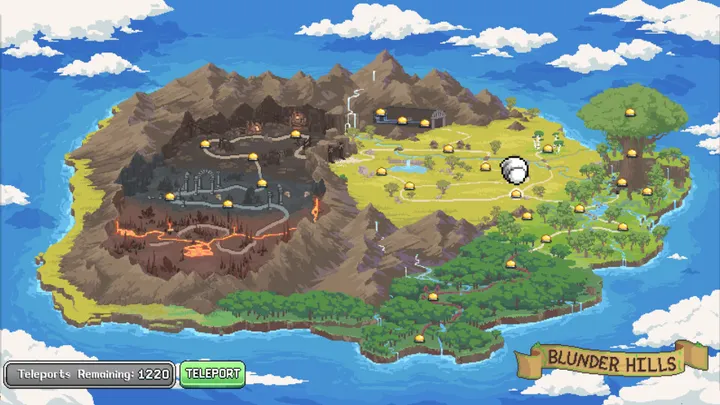





IdleOn – The Idle RPG is a unique blend of idle gameplay, progression management, and multi-character strategy. Unlike traditional RPGs, IdleOn encourages you to build an entire team of characters working simultaneously—gathering resources, fighting monsters, crafting items, and completing tasks even while you are offline. Its systems are layered, interconnected, and incredibly deep. Whether you’re new to the game or returning after a long break, this comprehensive guide will walk you through the fundamentals, progression timelines, advanced optimization, and late-game strategies.
This guide is structured to follow your journey from beginner to expert: understanding classes, building your characters, managing resources efficiently, tackling the first three worlds, and preparing for the advanced late-game. You’ll find essential tips, recommended builds, hidden mechanics, and expert insights throughout.
1. Understanding How IdleOn Works – The Core Gameplay Loop
IdleOn’s design is built around creating a team of characters that operate at all times. Each character specializes in a unique task—fighting, chopping wood, catching bugs, mining ore, brewing potions, and more. Understanding this loop is the foundation of your long-term success.
You begin with a single character but soon unlock additional slots. Each new character multiplies your progress since every skill and task contributes resources needed by the others. This interconnected design means your success depends on balancing your character roles properly rather than rushing one character too far ahead.
H3: The Four Pillars of IdleOn
- Combat progression
- Gathering skills
- Crafting and alchemy
- Multi-character synergy
H4: Why This Matters
Players who try to focus on only one character hit progression walls early. IdleOn rewards spreading your time and building a functional team.

2. Choosing the Right Classes for Your Characters
Your first major strategic decision is choosing class specializations. IdleOn breaks classes into branches: Warrior, Archer, and Mage—each with two advanced subclasses. Choosing the right setup determines your efficiency in both combat and gathering.
Warriors excel at mining and tanking, Archers specialize in catching and damage, and Mages dominate chopping and alchemy. It's vital to assign characters correctly. Your first character should typically be an Archer or Warrior for efficient leveling; your second becomes a gathering specialist to support your progression.
H3: Ideal Early Team Setup
- Character 1: Archer → Bowman for fast early combat
- Character 2: Mage → Shaman for alchemy and chopping
- Character 3: Warrior → Barbarian for mining and tanking
H4: Avoid Early-Class Mistakes
Do not pick classes based on randomness—IdleOn’s long-term synergy rewards purposeful class distribution.
3. Early Game Progression – Worlds 1 and 2 Essentials
The early game defines your foundation. Worlds 1 and 2 are where you unlock key mechanics like Alchemy, Smithing, and Construction. Many players stall here because they underestimate early skills.
World 1 focuses heavily on resource gathering—logs, ore, bugs—and crafting your first gear set. World 2 introduces more complex monsters, new drops, and AFK efficiency upgrades. Completing early quests gives you gems, inventory slots, and permanent stat boosts. Do not skip quests—they provide some of the most important early game bonuses.
H3: Early Game Priorities
- Unlock Alchemy ASAP
- Push your combat characters to World 2
- Level mining and woodcutting evenly
- Always craft new gear when possible
H4: Common Beginner Mistakes
Avoid leaving characters idle without assigned tasks—every minute of downtime slows your progression.
4. Understanding AFK Gains, Efficiency, and Character Management
IdleOn’s AFK system is at the heart of the game. Whenever you’re offline, characters keep working, killing monsters, and collecting materials. But this only works effectively if your efficiency is high.
Efficiency determines how much XP, drops, and resources you earn while away. Increasing efficiency involves upgrading gear, improving talent points, leveling skills, and consuming alchemy buffs. Managing AFK is about preparing your character for long sessions, not just leaving them anywhere.
H3: Increasing AFK Efficiency
- Improve your weapon and accuracy to hit tougher monsters
- Use food boosts for more survivability
- Upgrade storage to avoid inventory overflow
H4: Daily AFK Routine
Assign tasks before logging off: one character mines, one chops, one farms mobs, one crafts. This rotation multiplies progress.

5. Combat Tips, Talent Point Allocation, and Boss Strategies
Combat in IdleOn isn’t only about damage—it’s about accuracy, survivability, and proper talent allocation. Each class has talent trees that drastically affect performance. Some talents multiply stats; others boost AFK gains or crafting skills.
Each world has a major boss requiring preparation. Bosses drop progression materials, unlock areas, or reward permanent boosts. Players often underestimate bosses and hit walls because their accuracy or HP is too low.
H3: Combat Tips
- Always check the required accuracy for new monsters
- Use damage food for difficult bosses
- Boost active skills before going AFK
H4: Important Talents
- Warriors: Power Strike, Redox Rates
- Archers: Idle Shooting, Sharpened Axe
- Mages: Mana Overdrive, Gilded Sword
6. Gathering Skills – Mining, Woodcutting, Fishing, Trapping, and More
IdleOn includes several gathering skills that support crafting and upgrading. Each gathering skill has its own gear, mechanics, and progression path.
Mining and Woodcutting are the most essential early skills—many crafting recipes require ore and logs. Fishing and trapping become more important later, especially when building high-tier gear and alchemy upgrades. You must rotate tools, upgrade your bags, and unlock better locations for gathering.
H3: Skill Tips
- Always use the best tools available
- Level tool proficiency talents
- Gear sets like Copper and Iron provide huge boosts
H4: Late-Game Gathering
Advanced maps contain rare resources needed for construction and worship—important long-term systems.
7. Alchemy, Smithing, and Construction – The Backbone of Power Scaling
Alchemy is one of the strongest mechanics in IdleOn. Through cauldrons, bubbles, and vials, you gain permanent stat boosts that affect all characters. You should frequently check your alchemy station and upgrade bubbles daily.
Smithing produces weapons, armor, and materials. Leveling your Smithing skill unlocks new recipes essential for progression. Construction, introduced later, automates production and speeds up skill leveling across your account.
H3: Alchemy Priorities
- Level the red cauldron first for base stats
- Upgrade capacity and liquid generation
- Unlock new vials as soon as possible
H4: Construction Benefits
Grind construction often—it turns your offline time into a massive power boost.
8. World 3 and 4 Progression – Worship, Breeding, and Advanced Farming
World 3 introduces Worship, Breeding, and refined resource collection. Worship allows you to deal huge burst damage to bosses, while Breeding unlocks pets that provide passive buffs to all characters.
World 4 further expands your automation and crafting capabilities. It’s where you begin preparing for late-game optimization, unlocking stronger talent books, and gaining powerful worship totems.
H3: World 3 Priorities
- Maximize worship charge
- Breed pets constantly
- Unlock all world NPC quests
H4: World 4 Focus
Prioritize cooking and high-tier crafting—these are essential for endgame builds.

9. Late-Game Optimization – Synergy, Cards, Stamps, and Post-Story Content
Late-game IdleOn is all about maximizing account-wide bonuses. Cards, stamps, statues, post-office upgrades, and high-tier alchemy bubbles stack multiplicatively. Every small upgrade adds massive power.
Players often overlook card farming and stamp improvements, but these contribute enormous passive bonuses. Collecting cards from every monster, leveling them up, and equipping them properly can increase damage, XP gain, drop rate, and more.
H3: Optimization Checklist
- Max out important damage cards
- Push alchemy to high levels
- Upgrade statues frequently
- Improve stamps in all categories
H4: Daily Optimization Routine
Just 30 minutes of checking stamps, construction stations, and alchemy boosts can double your weekly progress.
10. Multi-Character Strategy – Long-Term Planning and Efficiency
IdleOn’s greatest strength is its multi-character system. Fully optimizing your team means assigning each character a role, keeping gear updated, and syncing gathering skills with combat progress. Your account becomes an ecosystem—every character enhances the others.
Your long-term plan should involve building four to eight characters specializing in distinct jobs. Each will support your late-game goals: stronger alchemy, faster construction, improved worship, and faster farming.
H3: Recommended 8-Character Setup
- Bowman – DPS
- Hunter – Trapping and rare drops
- Shaman – Alchemy and worship
- Mage – Chopping
- Barbarian – Mining
- Squire – Crafting and defense
- Maestro – Production and rare loot
- Journeyman/Specialized build – Multi-purpose bonuses
H4: Team Synergy
Characters should not compete—they should complement each other. Think of your team as a factory.
IdleOn – The Idle RPG is deceptively deep, blending idle mechanics with strategic character building, crafting, and long-term progression. Whether you’re managing combat characters, gathering specialists, alchemy buffs, construction automation, or card optimization, every system contributes to your overall success. By understanding the core mechanics, assigning characters strategic roles, and optimizing your multi-character ecosystem, you can turn IdleOn into a rewarding and streamlined progression experience.
With proper planning, efficient AFK management, and smart investment into alchemy, smithing, and gathering skills, you will watch your account’s power grow exponentially. IdleOn rewards consistency, creativity, and multi-character synergy—and with this guide, you are well-equipped to conquer all worlds the game has to offer.